
Frequently Asked Questions
Find answers to common questions about our travel services and adventures.
The best time to visit Nepal is during the autumn season (September to November) when the weather is clear, temperatures are pleasant, and the Himalayan views are at their finest. Spring (March to May) is also excellent, offering rhododendron blooms and warm temperatures. The monsoon season (June to August) brings heavy rain but is ideal for lower-altitude tours and cultural visits in the rain-shadow regions like Upper Mustang.
Yes, most international visitors need a visa to enter Nepal. Tourist visas are available on arrival at Tribhuvan International Airport and at land border checkpoints. You will need a passport valid for at least 6 months, a passport-size photo, and the visa fee (USD 30 for 15 days, USD 50 for 30 days, USD 125 for 90 days). Citizens of India, China, and SAARC countries have different visa arrangements.
Fitness requirements vary by trek. Easy treks like Ghorepani Poon Hill require basic fitness — if you can walk 5-6 hours a day on uneven terrain, you will manage. Moderate treks like Langtang Valley or Annapurna Base Camp require good cardiovascular fitness and the ability to walk 6-7 hours daily at altitude. Challenging treks like Everest Base Camp or Manaslu Circuit demand excellent fitness, stamina, and ideally some prior high-altitude trekking experience. We recommend starting a fitness routine at least 2-3 months before your trek.
Essential items include layered clothing (base layer, insulation, waterproof jacket), sturdy trekking boots, a sleeping bag rated to -10°C for high-altitude treks, a daypack (25-30L), sun protection (hat, sunscreen, sunglasses), water purification tablets or a filter, trekking poles, and a first-aid kit. Most gear can be rented or purchased inexpensively in Kathmandu and Pokhara. We provide a detailed packing list upon booking confirmation.
Booking is simple. Browse our travel packages on the website and click "Book Now" on your preferred package. Select your preferred departure date, number of travelers, and complete the booking form. You can also contact us directly via email or phone for a customized itinerary. A 30% deposit is required to confirm your booking, with the remaining balance due 30 days before the trip start date.
Cancellations made 60 or more days before the trip start date receive a full refund minus the booking fee. Cancellations made 30-59 days before receive a 50% refund. Cancellations made less than 30 days before the trip start date are non-refundable. We strongly recommend purchasing comprehensive travel insurance that covers trip cancellation. In the rare event that we cancel a trip due to safety concerns, you will receive a full refund or the option to reschedule.
Nepal is generally very safe for trekkers. Our guides are licensed, trained in wilderness first aid, and experienced in high-altitude trekking. We carry satellite phones and emergency supplies on every trek. All itineraries include proper acclimatization days to minimize altitude sickness risk. The main safety considerations are altitude sickness, weather changes, and trail conditions — all of which our experienced team manages carefully.
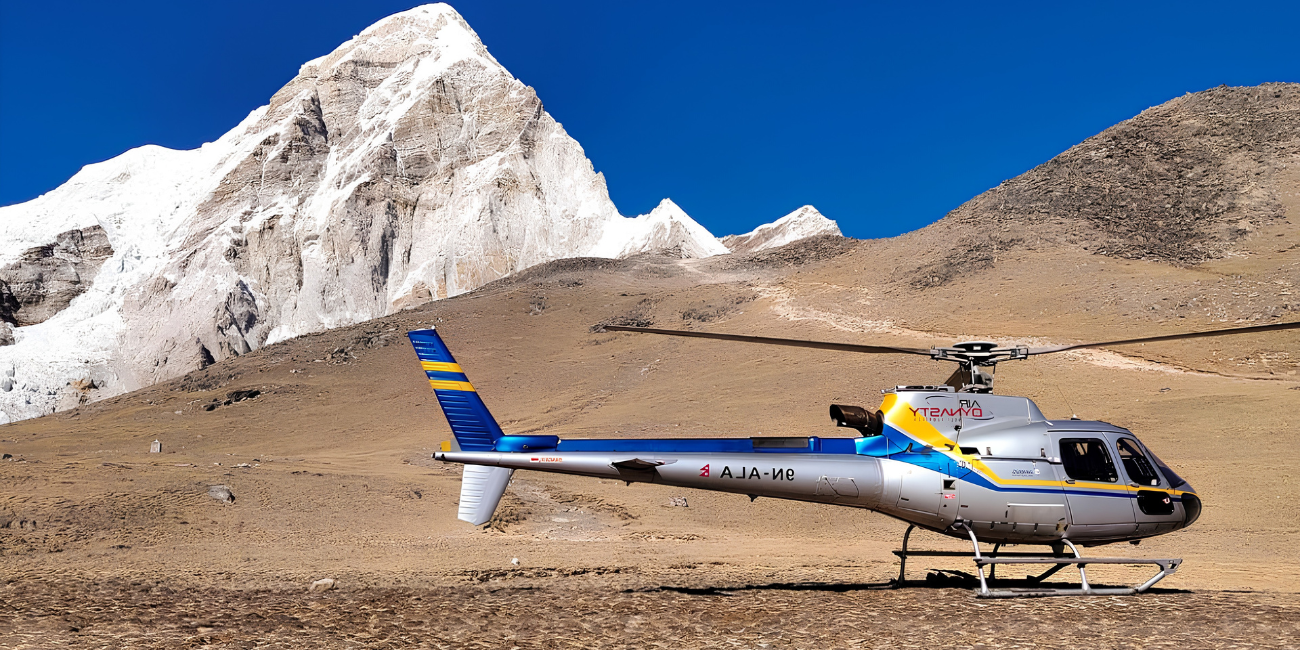
Yes, we strongly recommend comprehensive travel insurance that covers high-altitude trekking (up to your trek's maximum altitude), emergency helicopter evacuation, trip cancellation, and medical expenses. Standard travel insurance policies often exclude high-altitude activities, so ensure your policy specifically covers trekking above 3,000 meters. We can recommend suitable insurance providers upon request.
Still have questions?
Contact our support team →
Talk to an Expert
Let our experienced travel planners design your perfect Himalayan adventure. Get personalized itineraries and local insights.